
When it comes to improving your walking and running efficiency, understanding the difference between step length and stride length is crucial. These two measurements, though closely related, each serve a unique role in evaluating how efficiently you move.
By optimizing both step and stride length, you can improve your performance and reduce strain on your body. Whether you’re an athlete or simply looking to improve your fitness, this article will guide you through everything you need to know.
What is Step Length?
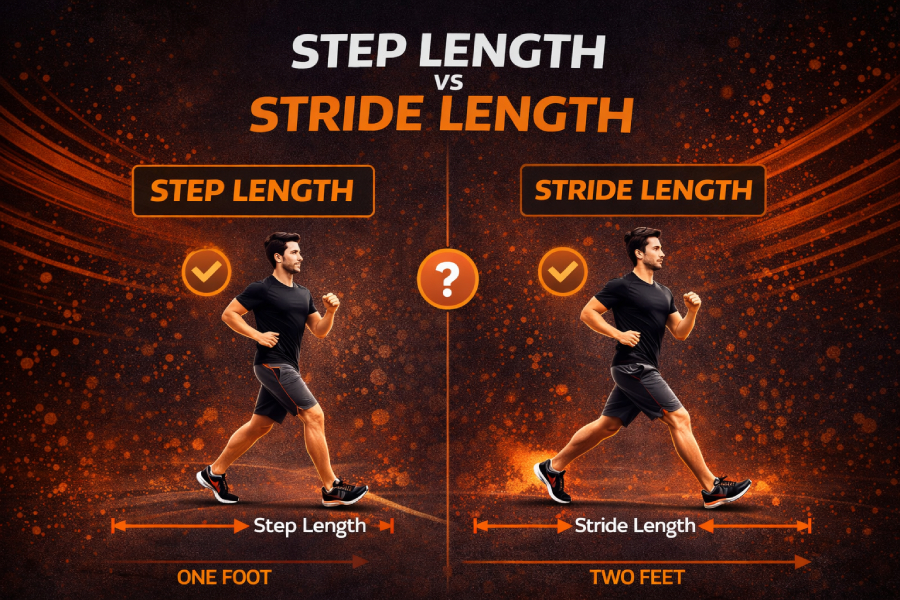
Step length refers to the distance between the heel strike of one foot and the heel strike of the opposite foot. It measures the movement of each foot individually during walking or running. Step length is important because it influences how efficiently you move and how much energy you use during your workout.
A longer step length generally means you’re covering more ground with each footfall. However, if your step length is too long, you risk overextending and straining your muscles. Finding a comfortable step length can improve both speed and efficiency, so it’s important to measure and adjust accordingly.
If you want to track your step length and convert it to distance, a free step-to-mile converter can be helpful. This tool allows you to easily see how your step length correlates with the distance you’ve covered.
What is Stride Length?
Stride length measures the distance covered during a full gait cycle, which includes two steps—one with each foot. It is the distance from the heel strike of one foot to the next heel strike of the same foot. Stride length plays a significant role in overall walking or running efficiency, as it indicates how much ground you cover with each complete cycle of movement.
The key difference between stride length and step length is that stride length accounts for the coordinated movement of both feet. As you increase your walking or running speed, your stride length typically lengthens to accommodate the faster pace. However, a longer stride is not always better—excessive strides can lead to over-striding, which reduces efficiency and increases the risk of injury.
Achieving the optimal stride length is key to improving both speed and endurance. By focusing on proper form and adjusting your stride to match your physical capabilities, you can run faster or walk longer without unnecessary exertion.
Key Differences Between Step Length and Stride Length
The primary difference between step length and stride length is how they are measured. Step length measures the distance from one foot’s heel strike to the opposite foot’s heel strike, while stride length measures the total distance covered in one full cycle of walking or running, including both feet. Essentially, stride length accounts for two steps, while step length focuses on just one.
Stride length is typically longer than step length because it measures the distance traveled by both feet in a single cycle. When you’re running, your stride length increases to cover more ground, while your step length remains relatively consistent. Understanding these differences is key to optimizing your overall movement efficiency.
Both measurements are vital for assessing your walking or running performance. While step length helps you gauge how far each foot travels, stride length shows you the overall efficiency of your gait.
How Step Length Affects Your Performance
Your step length directly affects your performance during both walking and running. A shorter step length can lead to more frequent steps, which may feel more tiring and less efficient. On the other hand, a longer step length means you cover more ground per step, reducing the overall effort required.
However, it’s important not to overcompensate with too long a step, as this can lead to strain and discomfort. By focusing on an optimal step length that feels comfortable and natural, you can achieve greater efficiency without overexerting yourself.
For those looking to improve walking performance, focusing on step length adjustments is key. Tools like a free step-to-mile converter can help you track and fine-tune your step length, ultimately improving your walking efficiency and overall fitness.
The Importance of Stride Length for Runners
For runners, stride length plays a crucial role in determining the speed and efficiency of each stride. Longer strides allow you to cover more ground with each step, which can increase your overall pace and running efficiency. However, increasing your stride length too much can lead to over-striding, which reduces the efficiency of each step and increases the risk of injury.
The goal is to find a balance between stride length and cadence (the number of steps taken per minute). By improving your stride length while maintaining a quick cadence, you can run faster and more efficiently without compromising your form.
To optimize stride length, runners should incorporate flexibility exercises and strength training into their routine. Strengthening the core, hips, and legs will provide the stability needed to support a longer stride without causing strain.
Factors That Affect Both Step and Stride Length
Several factors influence both step and stride length. One of the most significant factors is leg length—taller individuals tend to have longer step and stride lengths. Other factors such as flexibility, fitness level, and walking or running form play a role in determining how far your feet travel with each step.
For example, individuals with strong, flexible legs are more likely to achieve longer strides, as their muscles can generate more power. Likewise, people who engage in regular exercise and strength training may see an increase in their stride length over time.
Additionally, walking or running speed can influence both step and stride length. As you increase your pace, both measurements tend to lengthen naturally to accommodate the faster movement, though they must remain balanced to ensure efficiency.
How to Improve Step and Stride Length
Improving both your step and stride length requires a combination of technique adjustments, strength training, and flexibility. Start by focusing on walking or running with a natural and relaxed posture. Avoid taking overly long or short steps and aim for a stride that feels balanced and comfortable.
Incorporating strength training exercises such as squats, lunges, and leg presses will help improve the power needed for a longer stride. Flexibility exercises like yoga or dynamic stretching can help increase your range of motion, allowing for more efficient movement.
By regularly monitoring your step and stride length, you can track your progress and make adjustments as needed. Using a free tool to convert steps to miles can help you track the distance you cover based on your step and stride length, making it easier to gauge your improvements.
Step Length and Stride Length in Everyday Life
Both step length and stride length impact your daily activities, even if you’re not running or exercising at high intensities. Whether you’re walking to the store or simply moving around at home, optimizing these measurements can help reduce fatigue and improve overall mobility. A longer stride can make your movement more efficient, while maintaining a proper step length ensures you’re not expending unnecessary energy.
Incorporating good posture and walking techniques into your daily routine can improve both step and stride length. Over time, these small adjustments can lead to greater comfort and less strain on your body.
Additionally, by maintaining a consistent walking routine, you’ll naturally improve both your step and stride length, leading to better overall health and fitness.
The Role of Footwear in Step and Stride Length
The shoes you wear play a significant role in determining both your step and stride length. Poorly fitting shoes or shoes lacking proper cushioning can limit your stride length and cause discomfort. On the other hand, shoes that offer adequate support allow for a more efficient stride and step length.
When selecting shoes for walking or running, prioritize comfort and support. Properly fitted shoes with good arch support and cushioning can make a significant difference in your overall gait and movement efficiency. Consulting a professional to evaluate your gait and recommend the best footwear can help optimize both your step and stride length.
Conclusion
In conclusion, understanding the difference between step length and stride length is essential for anyone looking to improve their walking or running efficiency. By focusing on both measurements and adjusting them to suit your body type and fitness level, you can increase your performance, reduce unnecessary effort, and enhance your overall movement.
Whether you’re an athlete, a fitness enthusiast, or simply someone aiming to improve daily mobility, optimizing your step and stride length can make a significant difference. Small adjustments can lead to big improvements, making every step you take more effective.